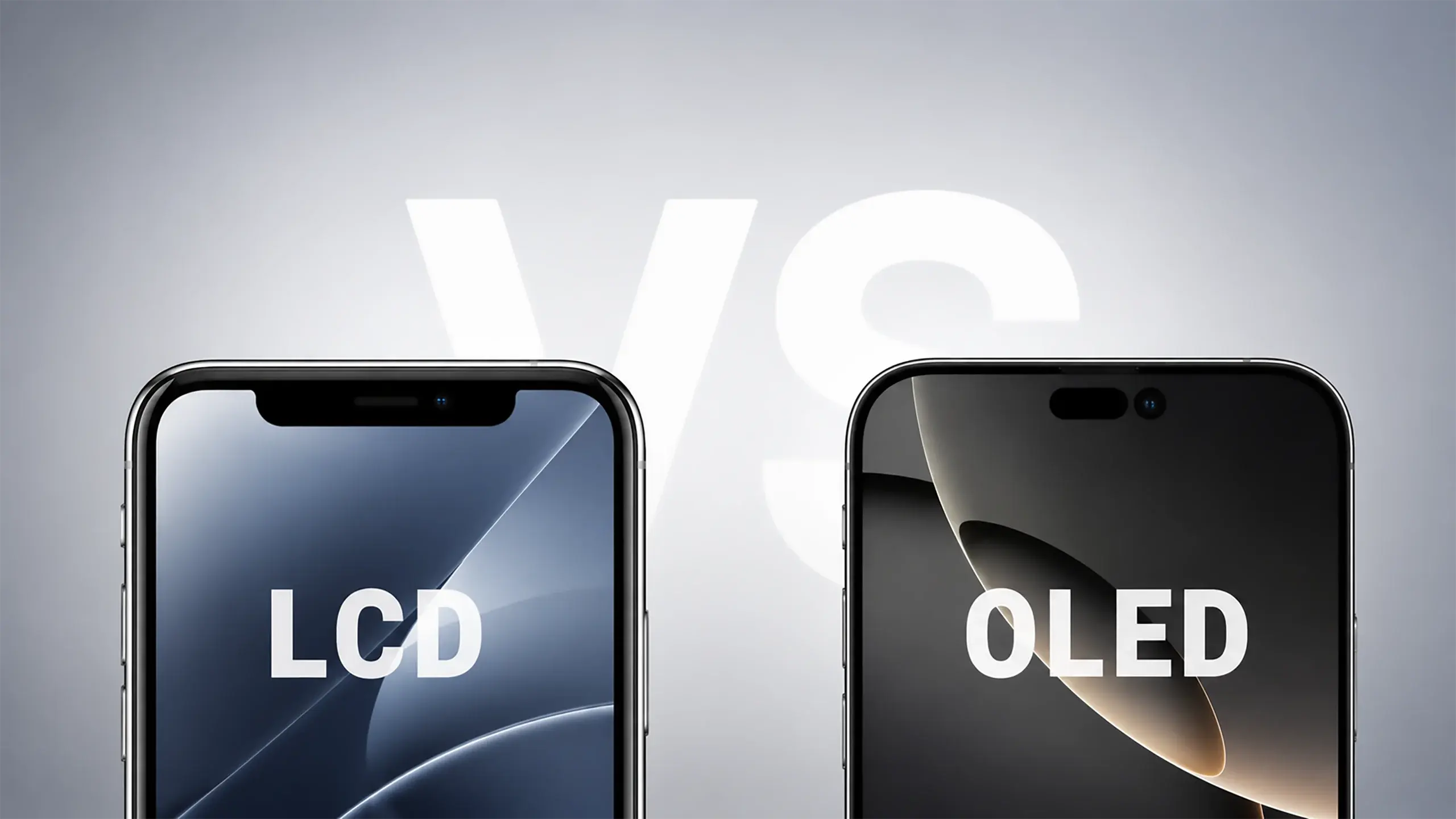
The Complete Guide to iPhone Diagnostic-Compatible Screens
As Apple strengthens its Parts & Service History features and system-level Repair Assistant calibration, standard third-party replacement screens face persistent “Unknown Part” warnings, restricted functionality, and declining customer confidence. iPhone diagnostic-compatible screens have emerged as the vital hardware solution for wholesalers, repair shop networks, and high-volume refurbishment factories—eliminating the need for micro-soldering IC transfers while reducing cycle times, lowering technician overhead, and safeguarding repair margins.
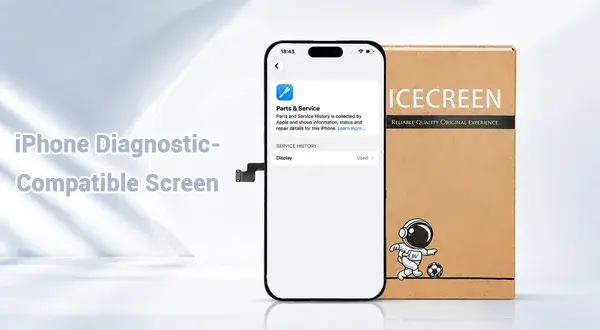
1. Industry Shift & Commercial Opportunity: What Are iPhone Diagnostic-Compatible Screens?
From IC Transfer Micro-Soldering to System Calibration
Historically, eliminating screen replacement pop-ups meant relying on highly specialized micro-soldering technicians to physically swap the Touch/Display IC from the original screen onto the aftermarket display. This traditional approach presented major operational bottlenecks:
-
High Labor Costs & Extended Repair Time: Swapping chips adds 20 to 30 minutes of precision labor per unit.
-
Elevated Defect Rates: Thermal stress during micro-soldering risks board damage, blown components, and trace lifts.
-
Scalability Limits: Scaling a refurbishment facility requires expensive, highly trained micro-soldering staff.
iPhone diagnostic-compatible screens solve this bottleneck at the hardware level. By embedding compatible diagnostic logic directly into the driver IC, these displays bypass micro-soldering entirely. Technicians simply install the screen and run Apple Diagnostics or Repair Assistant (online or offline) to complete software-level pairing.
How iPhone Diagnostic-Compatible Screens Eliminate “Unknown Part” Messages
When iOS detects unmatched display hardware during boot, it flags an “Unknown Part” entry under Settings > General > About. The iPhone diagnostic-compatible screens contain pre-programmed controller logic designed to hand off data cleanly to iOS during System Diagnostics.
Once the Repair Assistant sequence completes, the system validates the component ID, removing the active warning pop-up and logging a clean repair entry in the device history. For refurbishment facilities and repair chains, this restores full consumer confidence and preserves maximum device resale value.
2. Hardware Compatibility Rules Across iPhone Generations
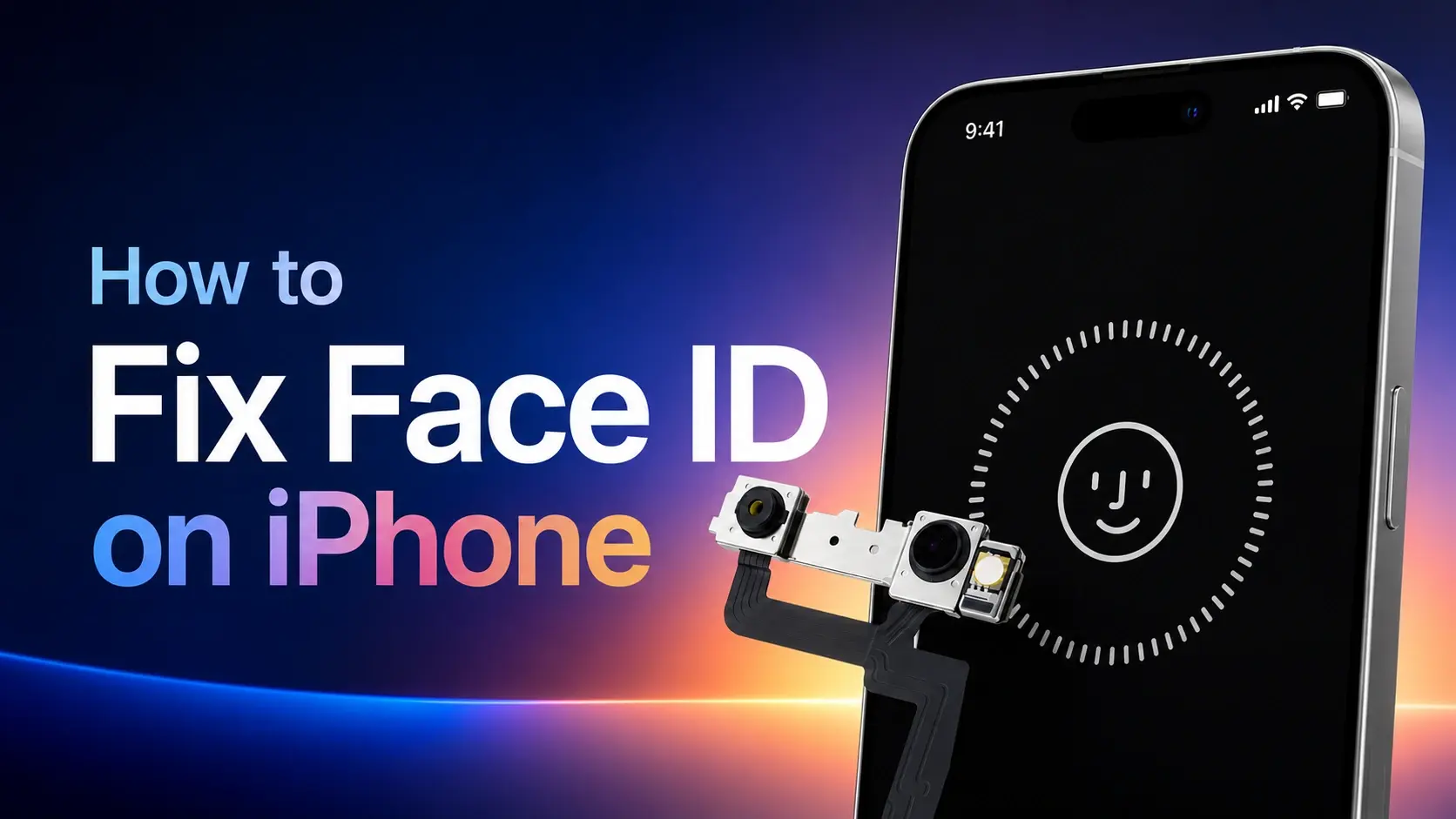
Hardware requirements for passing calibration vary by device generation, particularly with front sensor flex module handling.
iPhone 12 to 14 Series: Flexible & Forgiving Calibration
For iPhone 14 models and earlier, the system calibration process is relatively forgiving:
-
Sensor Flex Flexibility: As long as a functional, compatible front sensor flex cable is installed, the screen can pass Repair Assistant calibration.
-
No Motherboard-Flex Lock: The sensor flex does not strictly need to be the original unit paired with the logic board. Diagnostic-compatible screens easily clear the “Unknown Part” pop-up.
iPhone 15 to 17 Series: Strict Pairing Requirements
For iPhone 15 Series and newer, Apple enforces significantly stricter verification rules:
-
Original Flex Requirement: To pass Repair Assistant, maintain proper display functionality, and remove “Unknown Part” alerts, the front sensor flex cable must be either:
-
The original sensor flex cable bound to that specific motherboard, or
-
A programmable sensor flex perfectly matched and written to the display IC protocol.
-
-
Calibration Risks: Installing a generic non-original flex cable will cause system calibration to fail—even if the replacement screen panel itself is 100% diagnostic-compatible.
3. Potential Risks and Limitations of Diagnostic-Compatible Screens
While diagnostic-compatible displays streamline repair workflows, buyers and procurement specialists should evaluate key industry trade-offs:
-
iOS System Update Risks: Apple frequently adjusts part-verification logic in dot-release iOS updates. A display compatible with current firmware may face altered pairing behaviors if Apple changes its verification protocols in future system releases.
-
True Tone and Display Feature Dependability: If the original display data (ambient light sensor/proximity data) is not correctly initialized during system pairing, features like True Tone or Auto-Brightness may require manual programming tools (e.g., JCID/QianLi) to operate properly.
-
Higher Initial Component Cost: Diagnostic-compatible panels carry a price premium over standard aftermarket screens due to specialized IC logic boards.
-
Long-Term Field Stability Remains Unproven: While manufacturing standards are steadily advancing, long-term operational performance in the field still lacks extensive historical validation due to the relative novelty of diagnostic-compatible technology. Initial industry data and warranty feedback indicate that certain production batches may still exhibit intermittent stability issues, sporadic glitches, and batch-to-batch inconsistencies.
4. Why Choose ICECREEN iPhone Diagnostic-Compatible Screens?
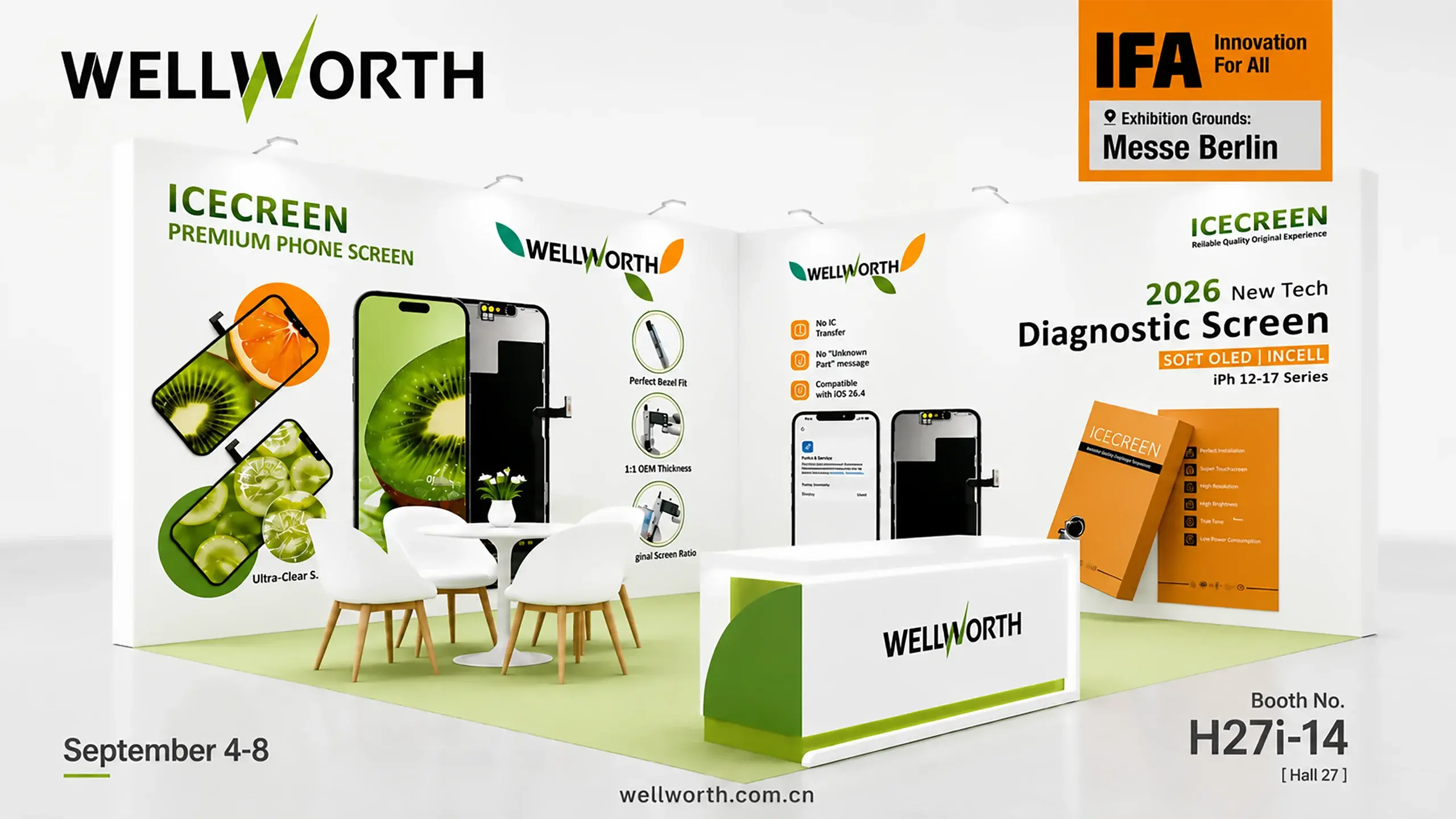
At Wellworth, we engineer repair component solutions designed specifically for high-volume refurbishment facilities, wholesale distributors, and professional repair networks.
-
Advanced IC Firmware Architecture: ICECREEN diagnostic-compatible displays feature flashable, resilient IC controllers built to minimize system locks across iOS firmware revisions.
-
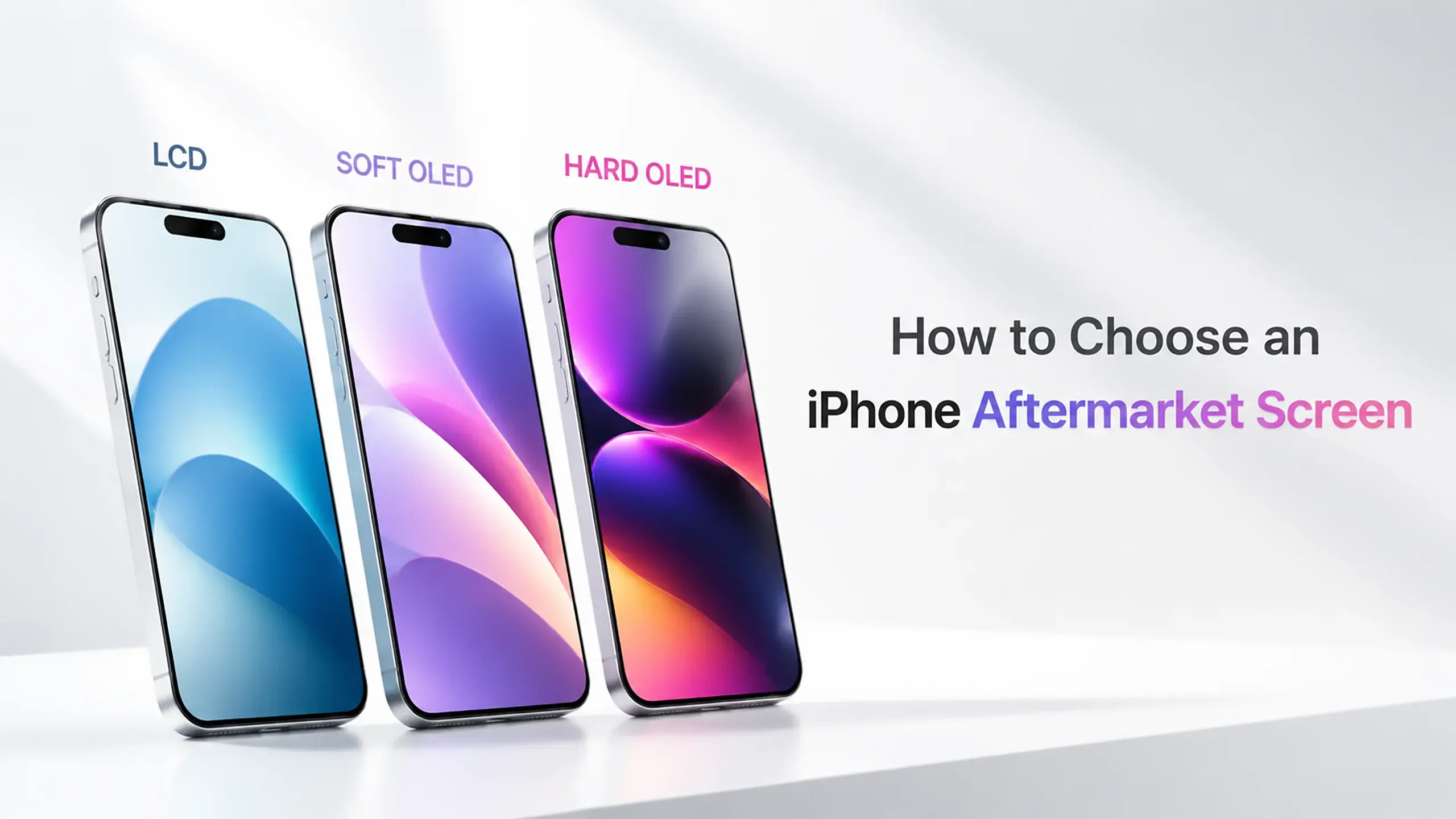
Full Tier Coverage: Available across our Soft OLED, Hard OLED, and Incell product lines, providing consistent diagnostic support across varying budget tiers.
-
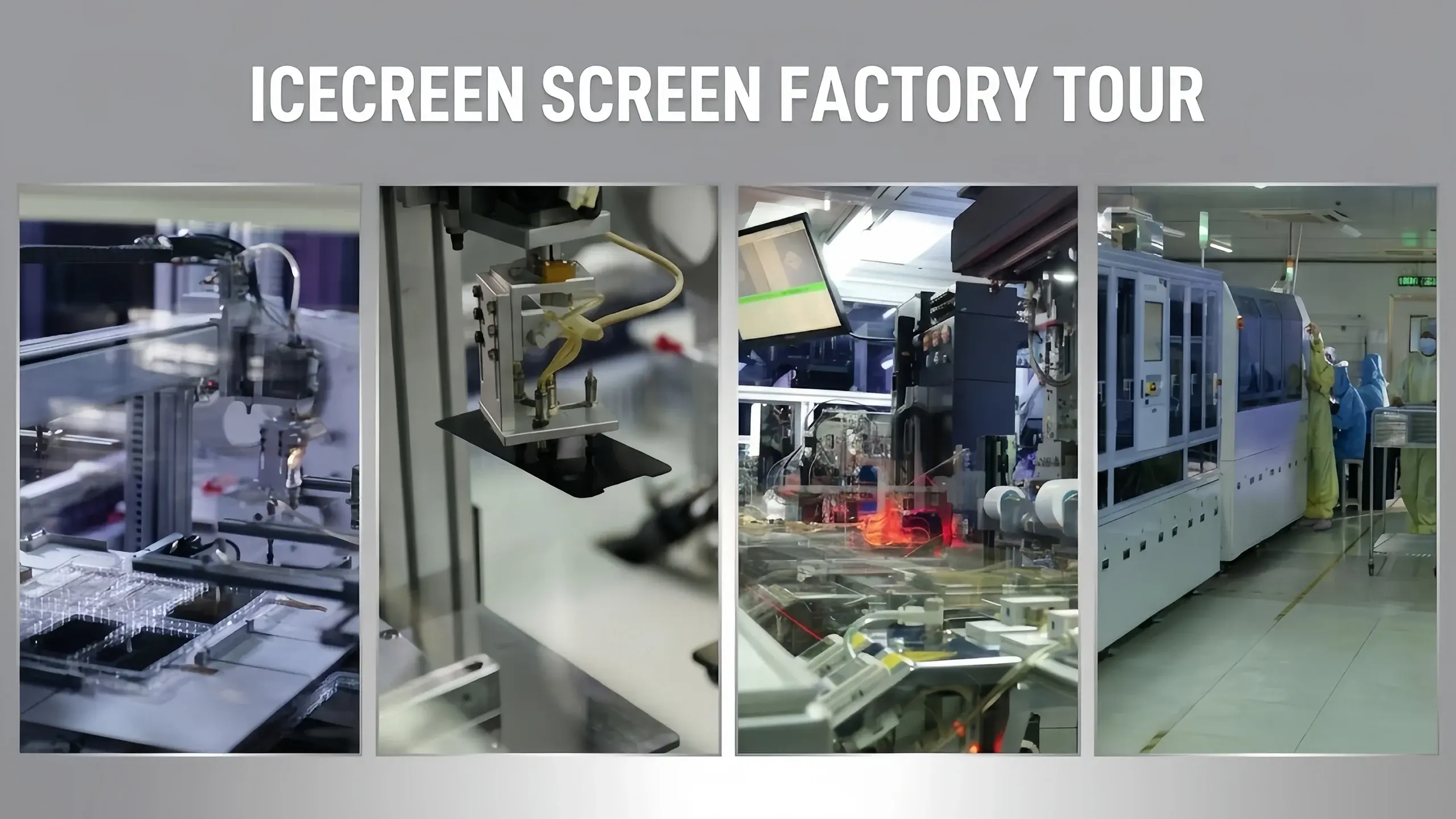
Strict Quality Control (QC): Every ICECREEN panel undergoes rigorous tests before shipment, ensuring predictable success rates during Repair Assistant calibration.
Frequently Asked Questions (FAQ)
Q1: Do diagnostic-compatible parts completely eliminate the need for IC chip transfers?
A: Yes. Diagnostic-compatible parts are engineered specifically to pass Apple’s Repair Assistant software calibration directly, eliminating the need for delicate IC micro-soldering and chip transplantation.
Q2: Are diagnostic-compatible screens guaranteed to work forever on all future iOS versions?
A: They are designed to pass current iOS verification sequences seamlessly. However, because Apple continuously updates its software logic, the future iOS updates could change Apple’s verification mechanisms and affect compatibility.
Q3: Why did my iPhone 15 screen fail Repair Assistant even though the screen is diagnostic-compatible?
A: On iPhone 15 and newer models, the calibration will fail if the front sensor flex cable is missing, damaged, or swapped with an un-paired third-party cable. Ensure you preserve and reinstall the original front sensor flex cable paired to that motherboard during assembly.