An Inside Look at ICECREEN iPhone Incell Screen Manufacturing
When an iPhone incell screen is damaged, the first thing users notice is the cracked glass or a failed display. However, behind every replacement screen is a complex manufacturing process involving precision cutting, bonding, testing, and quality control.
For professional repair shops, distributors, and parts suppliers, understanding how a replacement screen is manufactured helps explain why different screens can have significant differences in display performance, touch response, durability, and reliability.
Today, we will take you inside the ICECREEN manufacturing process and explore how an iPhone Incell LCD screen is produced — from raw LCM materials to a finished replacement display ready for installation.
Incoming Material Inspection and Preparation
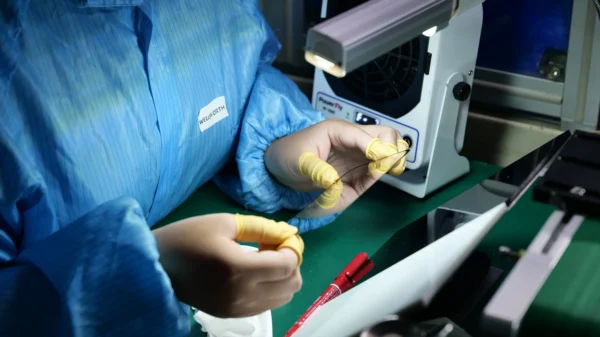
The manufacturing process starts with strict material selection and inspection.
The main components of an iPhone Incell screen include:
- LCD module (LCM)
- Touch sensor integrated LCD panel
- Polarizer film
- Cover glass
- Flexible cable (FPC)
- Driver IC components
- OCA optical adhesive
- Front frame components
Before entering production, every batch of materials goes through quality inspection to ensure consistency in specifications, appearance, and electrical performance.
Materials that pass inspection are stored in controlled environments to prevent contamination from dust, humidity, or static electricity.
Because LCD screens contain multiple precision layers, even small particles or surface defects can affect brightness uniformity, touch performance, or display quality.
iPhone Incell Screen Manufacturing Process
After material preparation, the LCD module enters a series of precision manufacturing processes.
Each step plays an important role in determining the final screen performance.
Step 1: LCM Cutting
The process begins with LCM cutting.
Large LCD modules are precisely cut into individual screen sizes according to different iPhone models.
During this process, cutting accuracy is critical because the LCD structure contains delicate circuits and layers.
High-precision cutting ensures that each module matches the required dimensions while maintaining the integrity of internal components.
Step 2: LCM Testing
After cutting, every LCD module undergoes initial electrical and display testing.
The testing process checks important parameters including:
- Display brightness
- Color performance
- Pixel condition
- Electrical connection
- Touch response
Defective modules are identified at this stage before entering further production, helping reduce unnecessary processing costs.
Step 3: LCM Cleaning
Before lamination, the LCD surface must be completely cleaned.
Dust and microscopic particles can cause visible defects after assembly, such as:
- White spots
- Black spots
- Uneven display areas
- Bubbles
The cleaning process is performed in a controlled environment to ensure the LCD surface is free from contamination before the next steps.
Step 4: Polarizer Laminating
The polarizer film is then laminated onto the LCD module.
The polarizer is an important optical component that controls how light passes through the LCD panel.
A precise lamination process ensures:
- Better light transmission
- Improved viewing performance
- Consistent color appearance
The bonding accuracy during this stage directly affects the final display quality.
Step 5: Darkroom Testing
After polarizer lamination, the LCD module enters darkroom testing.
In a controlled dark environment, technicians inspect the screen for display abnormalities that may not be visible under normal lighting conditions.
The inspection focuses on:
- Light leakage
- Bright spots
- Dark spots
- Color uniformity
- Backlight consistency
This step helps ensure that only qualified display modules continue to the assembly process.
Step 6: Conductive Glue Applying
Next, conductive glue is applied to prepare the connection between the LCD module and flexible cable.
The conductive adhesive creates a stable electrical connection while maintaining flexibility.
The amount and position of conductive glue must be precisely controlled because incorrect application may affect signal transmission and touch performance.
Step 7: Flex Bonding
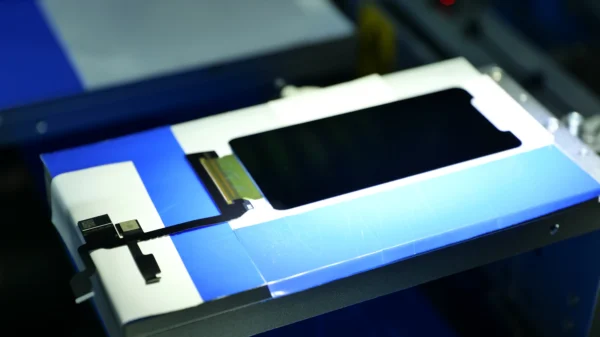
The flexible cable (FPC) is bonded to the LCD module through precision bonding equipment.
The FPC works as the connection bridge between the screen assembly and the smartphone motherboard.
During this stage, bonding temperature, pressure, and alignment must be carefully controlled to ensure:
- Stable electrical connection
- Reliable touch response
- Long-term durability
Step 8: OCA Laminating
After electronic components are assembled, the module enters the OCA lamination process.
OCA (Optically Clear Adhesive) is a transparent adhesive layer used to bond the display module with the cover glass.
The lamination process is performed under controlled conditions to achieve:
- High transparency
- Strong adhesion
- Reduced optical distortion
A high-quality OCA process helps improve viewing clarity and creates a closer-to-original display experience.
Step 9: Glass and LCM Laminating
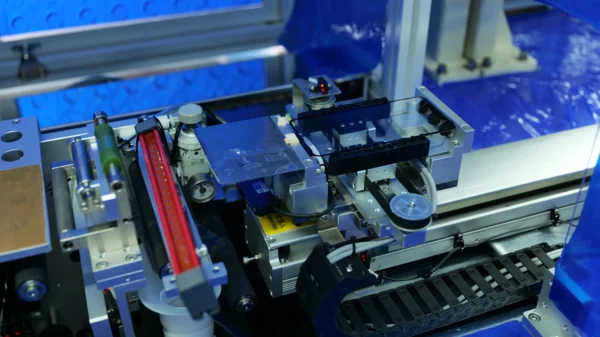
The cover glass is then laminated together with the LCD module.
This is one of the most important assembly steps because the glass, adhesive, and LCD must become a complete display unit.
Precise alignment is required to ensure:
- Correct screen positioning
- Uniform bonding pressure
- Clean appearance
Any misalignment or contamination during this process can affect the final product quality.
Step 10: Laminated Module Testing
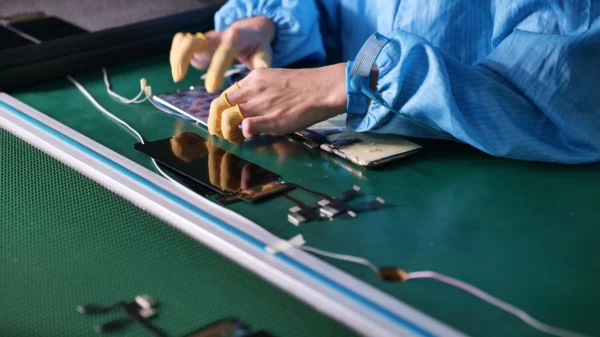
After complete lamination, the assembled display module undergoes comprehensive testing.
The inspection includes:
- Touch sensitivity
- Display brightness
- Color accuracy
- Image quality
- Screen response
For ICECREEN Incell screens, testing ensures that each finished module meets performance standards before moving to the final assembly stage.
Step 11: Bubble Removing
During lamination, small air bubbles may remain between layers.
The bubble removing process uses specialized equipment to eliminate trapped air and improve the visual quality of the display.
This step helps prevent:
- Visible bubbles
- Uneven bonding
- Display defects
A clean lamination result is essential for a professional replacement screen.
Step 12: Front Frame Laminating
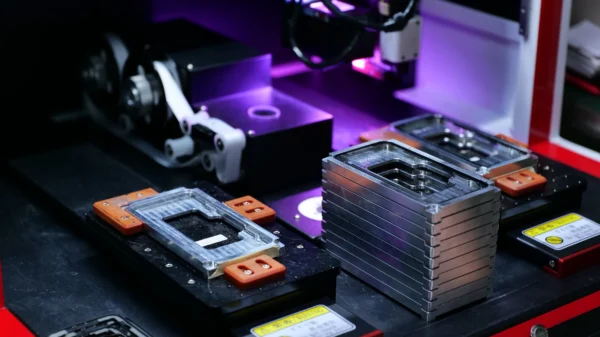
The final assembly step is front frame lamination.
The display module is attached to the frame structure to complete the replacement screen assembly.
The frame provides structural support and helps ensure proper installation compatibility with the original device design.
Final Quality Control and Testing
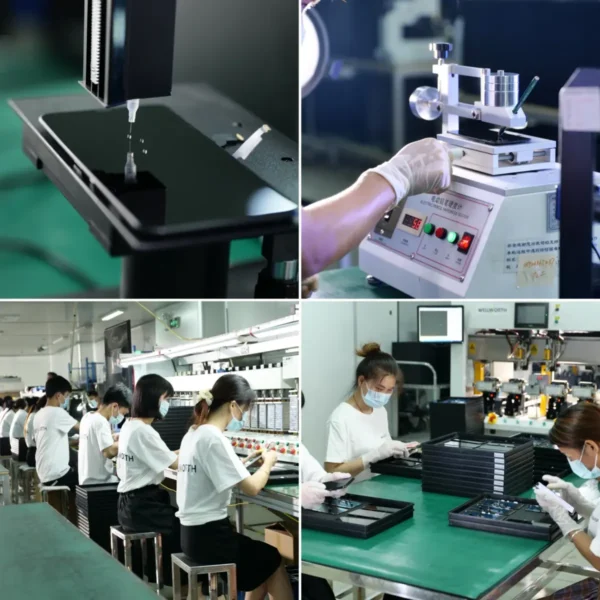
Before packaging, every ICECREEN screen goes through final quality inspection.
The finished products are checked for:
- Display performance
- Touch accuracy
- Appearance quality
- Frame alignment
- Connector reliability
Additional reliability tests may include continuous display testing and durability inspections to ensure stable performance during daily use.
Only products that pass all inspection standards are approved for shipment.
What Makes a Premium iPhone Incell Screen Different?
Although many aftermarket screens are available in the market, manufacturing quality can vary significantly.
A premium Incell replacement screen depends on more than just the LCD panel itself. The overall quality comes from the combination of:
- Reliable raw materials
- Precise bonding technology
- Strict dust control
- Accurate calibration
- Complete quality testing
For professional repair businesses, a stable and consistent screen can reduce return rates, improve customer satisfaction, and provide a better repair experience.
ICECREEN focuses on manufacturing quality throughout every production stage, from incoming material inspection to final product testing, providing reliable iPhone Incell replacement screens for global repair professionals.
Conclusion
Manufacturing an iPhone Incell screen involves many carefully controlled steps, from LCM cutting and testing to precision lamination and final quality inspection.
Although the finished product looks simple from the outside, each screen represents a combination of advanced manufacturing technology, skilled production processes, and strict quality control.
By continuously improving production standards and testing procedures, ICECREEN aims to deliver dependable replacement screens that help repair businesses provide consistent and professional service worldwide.