120Hz iPhone Screen Replacement: Features, Technology & Performance Explained
Introduction
Since Apple introduced ProMotion technology on the iPhone Pro lineup, users have become accustomed to an incredibly smooth display experience. Scrolling feels effortless, animations appear more natural, and touch interactions respond almost instantly. When these devices require a screen replacement, many users expect the repaired phone to deliver the same level of performance.
This growing demand has accelerated the development of the 120Hz iPhone screen replacement market. While early aftermarket displays were limited to 60Hz, today’s premium replacement screens are capable of supporting 120Hz on compatible iPhone Pro models, bringing the repair experience much closer to the original display.
But what actually makes a 120Hz replacement screen different? Is the refresh rate alone enough to determine quality? In this guide, we’ll explore the key features of 120Hz replacement screens, the technology behind them, and why not all 120Hz displays perform the same.
What Is a 120Hz iPhone Screen Replacement?
A 120Hz iPhone screen replacement is a replacement display designed to support a maximum refresh rate of 120Hz on compatible iPhone Pro models.
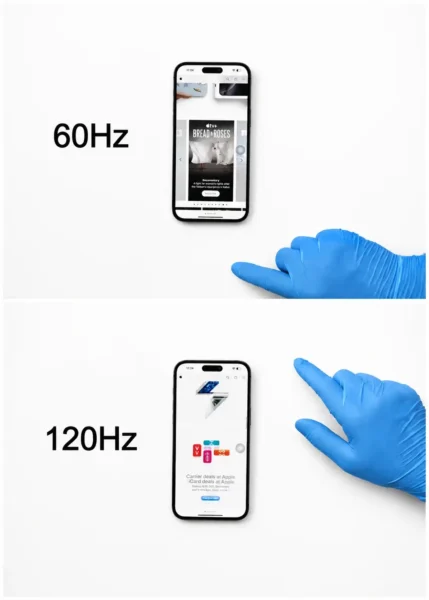
Unlike a conventional 60Hz display, which refreshes the screen 60 times every second, a 120Hz display doubles that frequency. The result is smoother motion, quicker visual feedback, and a more responsive user experience.
However, the refresh rate is only one part of the story. A premium 120Hz replacement screen should also deliver stable touch performance, accurate colors, consistent brightness, and smooth frame transitions to recreate the experience users expect from a Pro device.
Key Features of a 120Hz iPhone Screen Replacement
One of the biggest reasons for the growing popularity of 120Hz iPhone screen replacement products is the significant improvement in everyday usability.
Smoother Scrolling
Whether browsing websites, reading long articles, or scrolling through social media, a 120Hz display updates images twice as often as a 60Hz screen. This reduces motion blur and creates a noticeably smoother visual experience.
Faster Touch Response
A higher refresh rate works together with optimized touch processing to make taps, swipes, and gestures feel more responsive. Users can notice the difference immediately when typing, navigating menus, or switching between applications.
More Natural System Animations
Opening apps, returning to the home screen, and navigating iOS all appear more fluid on a 120Hz display. The transitions feel closer to the original ProMotion experience, improving the overall perception of repair quality.
Better Gaming and Video Performance
Games that support higher frame rates benefit from smoother motion and reduced ghosting, while fast-moving video content appears clearer and more stable during playback.
A More Premium Repair Experience
For compatible iPhone Pro models, a quality 120Hz iPhone screen replacement helps preserve the premium display experience users have come to expect, making the repair feel more like a restoration than a compromise.
120Hz vs. 60Hz: What’s the Difference?
Although both displays can restore a damaged phone to working condition, the user experience differs significantly.
| Feature | 60Hz Screen | 120Hz Screen |
|---|---|---|
| Refresh Rate | 60 updates per second | Up to 120 updates per second |
| Scrolling | Smooth | Smoother with less motion blur |
| Touch Response | Standard | Faster and more responsive |
| System Animations | Good | More fluid and natural |
| Gaming Performance | Suitable for everyday gaming | Better motion clarity and responsiveness |
| Overall Experience | Meets basic repair needs | Closer to Apple’s original ProMotion display |
The difference becomes especially noticeable during frequent interactions such as browsing, gaming, or switching between applications.
How Is 120Hz Achieved on Aftermarket Screens?
Supporting a 120Hz refresh rate requires much more than simply using a different display panel.
Several key technologies work together to deliver a stable experience.
Display Driver IC (DDIC)
The Display Driver IC controls communication between the motherboard and the display. It processes image data, synchronizes frame output, and helps maintain smooth transitions during high-refresh-rate operation.
Variable Refresh Rate
Apple’s ProMotion technology dynamically adjusts the refresh rate depending on the content being displayed. While aftermarket screens may use different implementation methods, advanced display solutions can still deliver smooth performance across common usage scenarios.
Display Panel Technology
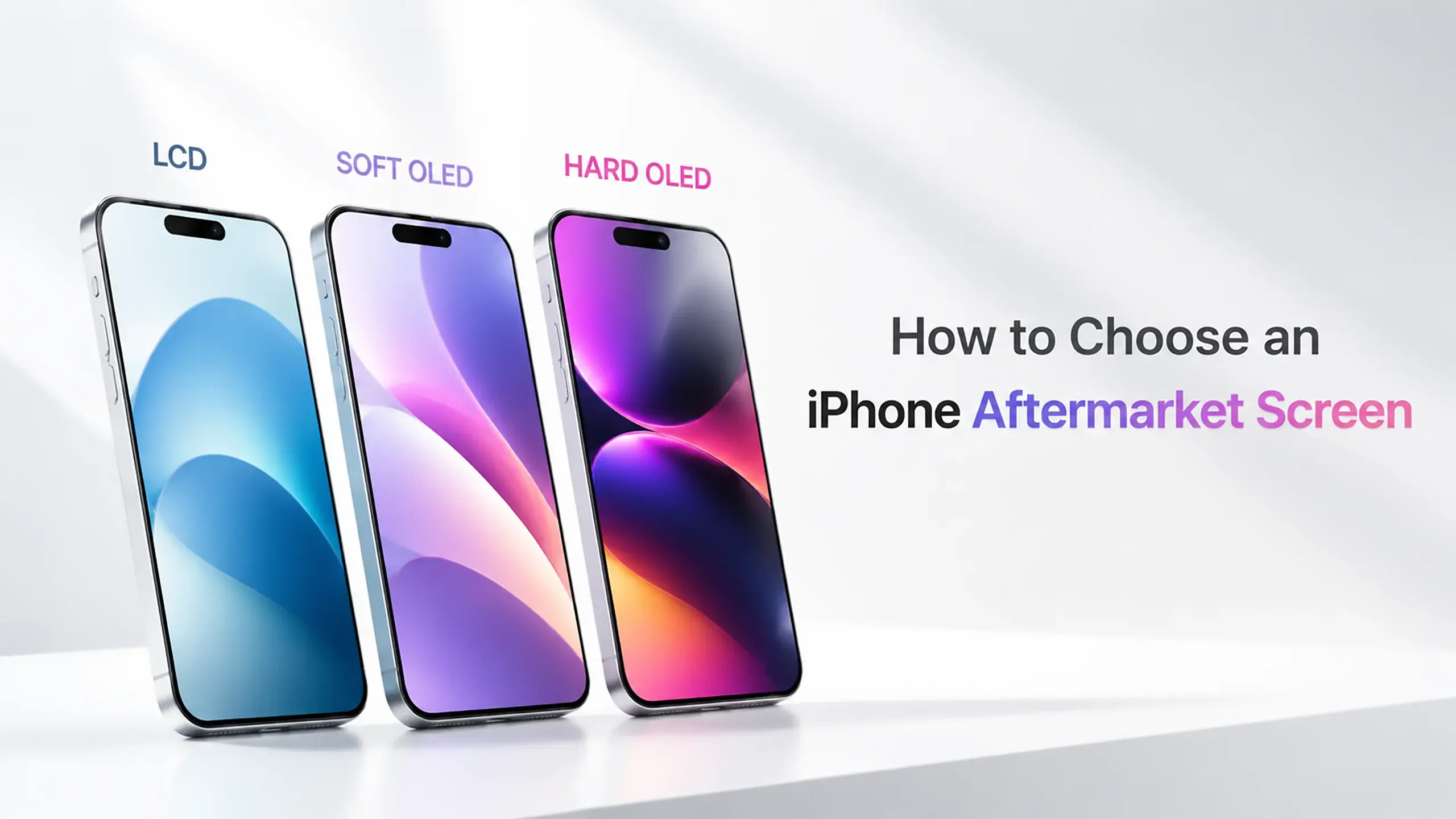
The quality of the display panel directly affects brightness, contrast, response speed, and viewing angles. Premium OLED panels generally provide a more consistent and enjoyable viewing experience than lower-grade alternatives.
Together, these technologies have made today’s premium 120Hz replacement screens significantly more capable than earlier generations.
Why Not Every 120Hz Screen Performs the Same
Seeing “120Hz” on a specification sheet doesn’t necessarily guarantee the same user experience.
The overall quality of a 120Hz iPhone screen replacement depends on several factors working together.
- Display panel quality affects brightness, contrast, and durability.
- DDIC performance influences frame stability and signal processing.
- Touch optimization determines how responsive the screen feels.
- Color calibration ensures natural and accurate image reproduction.
- Brightness consistency improves visibility under different lighting conditions.
A well-engineered display balances all of these elements instead of focusing solely on refresh rate.
Delivering Consistent 120Hz Performance
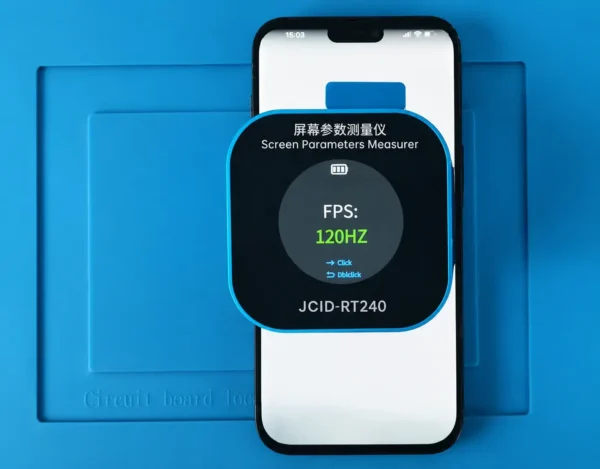
A premium 120Hz iPhone screen replacement should do more than advertise a higher refresh rate—it should provide a stable, reliable display experience in daily use.
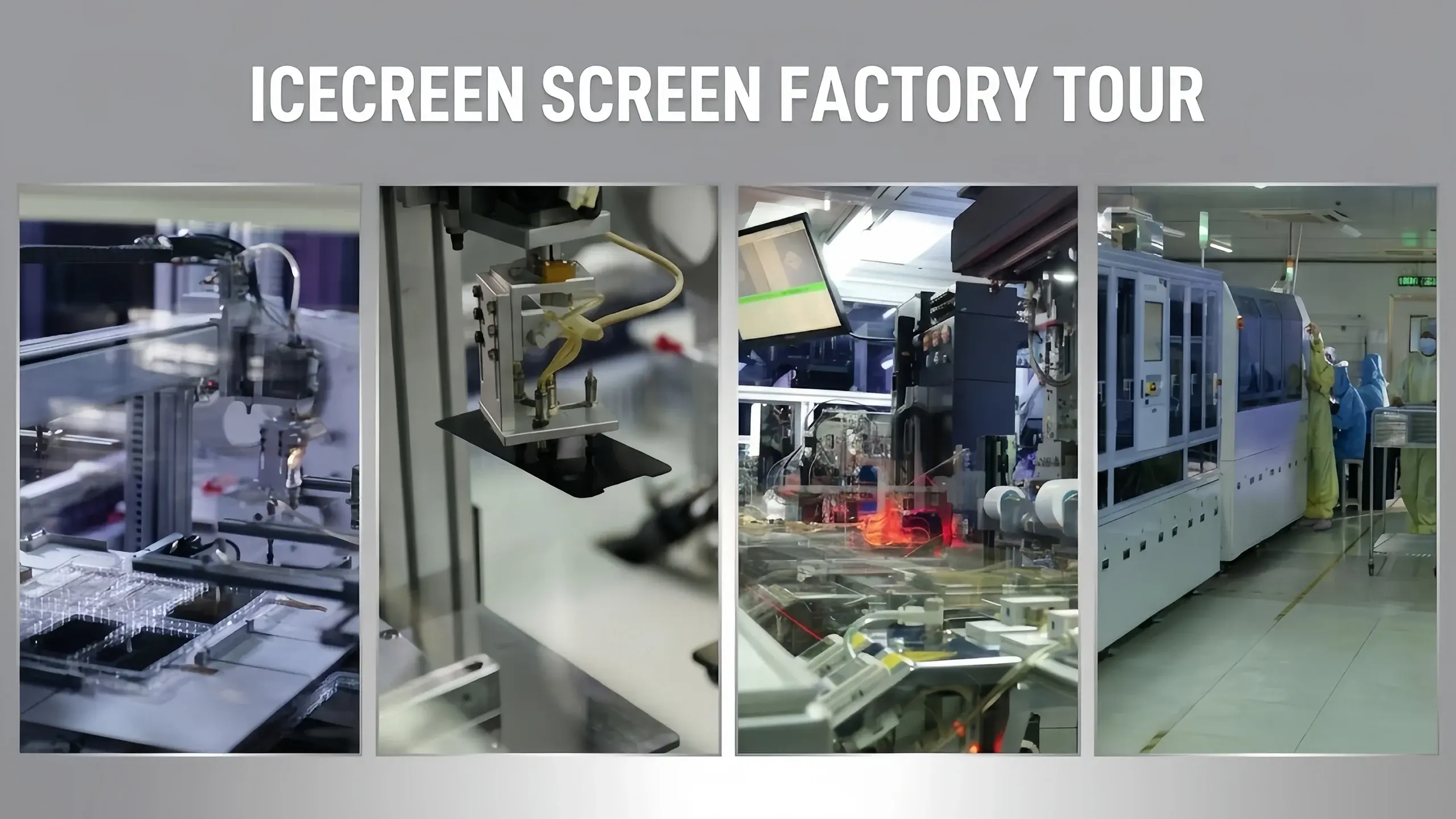
At Wellworth, every display is evaluated through multiple quality control procedures before shipment, including display functionality, touch responsiveness, brightness consistency, and visual inspection. These processes help ensure each screen performs consistently across different production batches.
Rather than focusing on specifications alone, our goal is to deliver a balanced combination of smooth performance, accurate color reproduction, responsive touch, and dependable reliability for professional repair businesses.
Conclusion
The evolution of the 120Hz iPhone screen replacement has made it possible to restore much more than a broken display. Premium replacement screens now offer smoother scrolling, faster touch response, more natural animations, and an experience that closely matches Apple’s original ProMotion technology.
At the same time, refresh rate should never be the only factor when evaluating screen quality. Display hardware, DDIC performance, panel quality, and manufacturing standards all contribute to the final user experience.
As aftermarket display technology continues to advance, choosing a well-engineered 120Hz replacement screen is the key to delivering repairs that meet the expectations of today’s iPhone Pro users.