跳到内容
跳到内容 
In the competitive mobile parts market, maintaining consistent screen quality is critical. Poor LCD performance not only affects user experience but also damages brand reputation and increases return rates. That’s why iPhone LCD screen assembly quality control plays a decisive role in every stage of production and distribution.
Many common iPhone display issues — such as a white spot on iPhone screen, bright spots iPhone screen, iPhone 11 black lines on screen, white patch on iPhone screen, or iPhone screen gray — stem from weak QC processes or low-grade components. To ensure the screens you sell or install meet original standards, strict testing and inspection procedures are non-negotiable.

1. Understanding Common iPhone Screen Defects
Even a small flaw in materials or assembly can lead to noticeable defects once the screen is installed. Below are the most frequent issues found in aftermarket iPhone screens and their underlying causes.
White Spots and Bright Areas
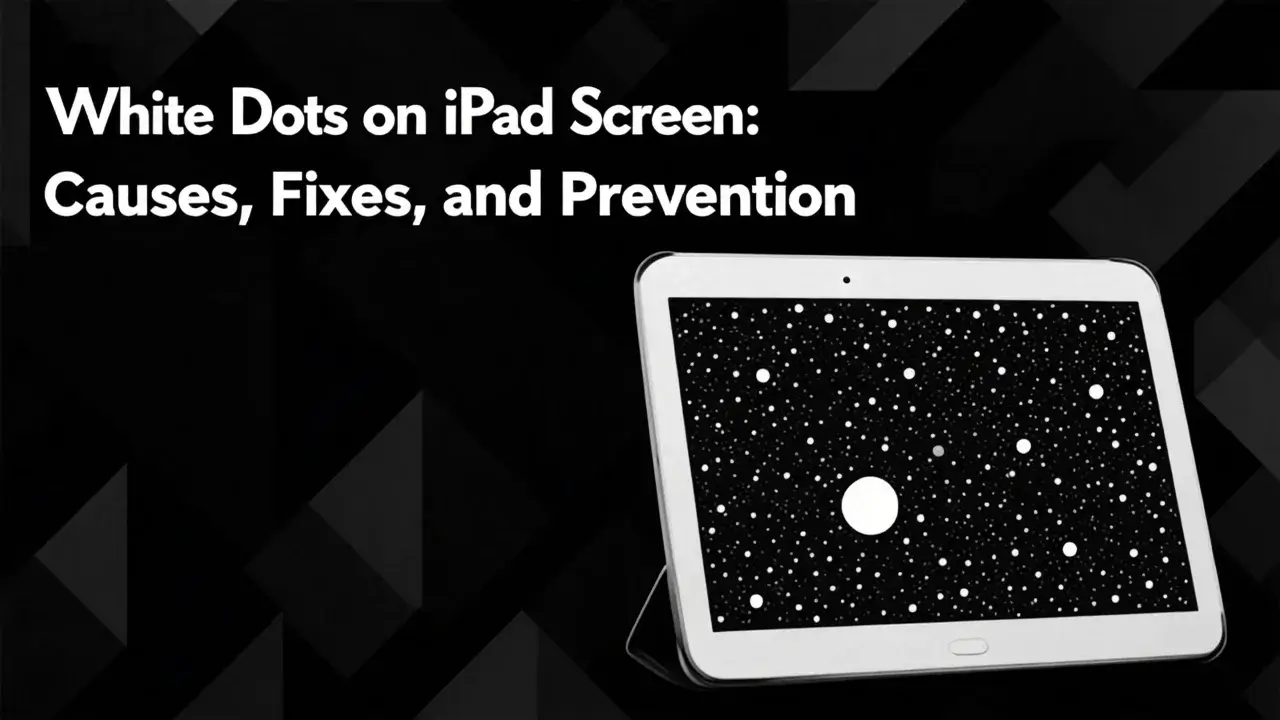
A white spot on an iPhone screen or localized bright zone often results from uneven backlight diffusion or excessive pressure during lamination. Tiny dust particles or inconsistent OCA adhesive thickness can also distort backlight reflection.
Black Lines and Dead Pixels
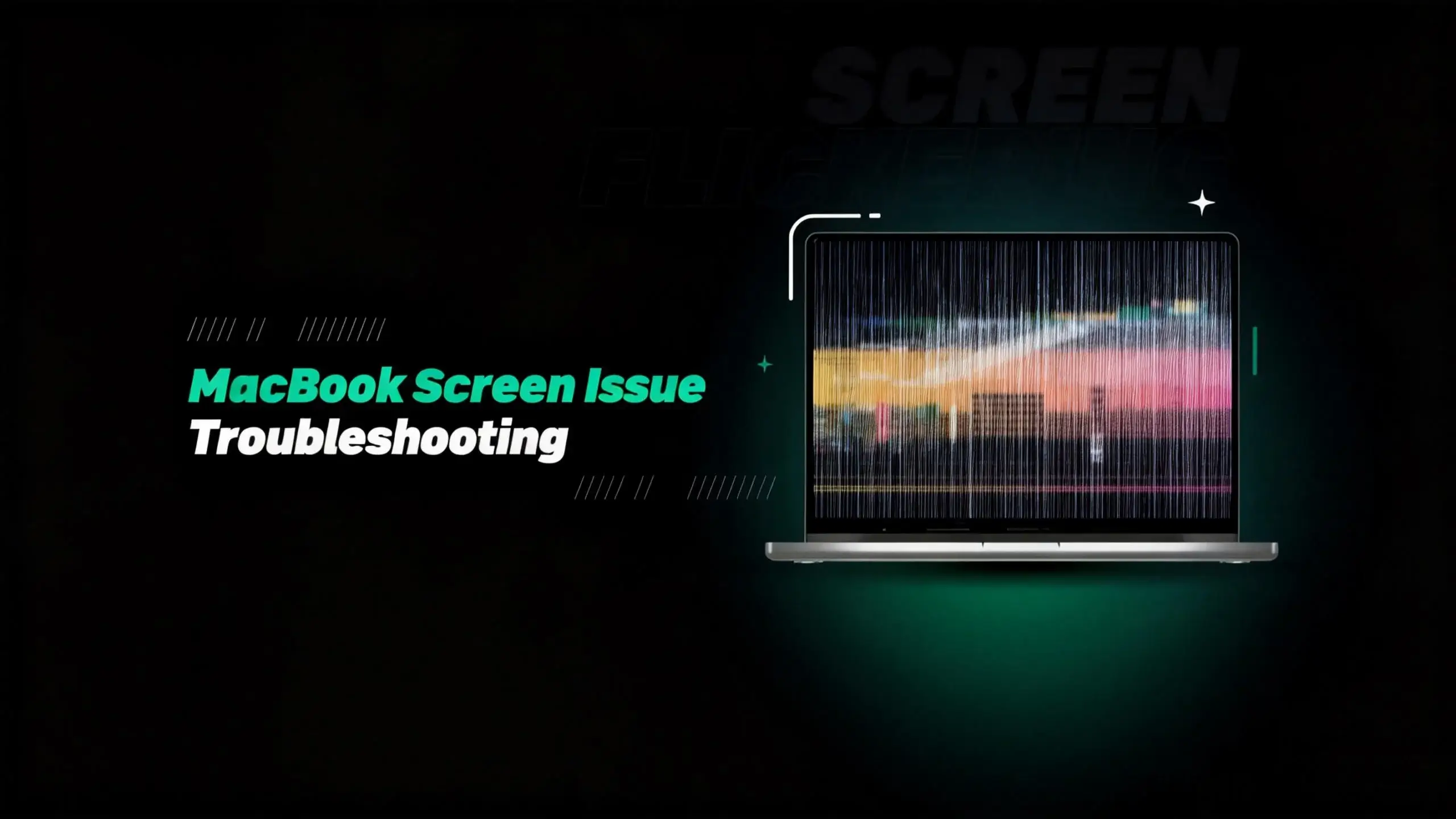
Thin black lines across the display, often seen on models like iPhone 11 and later, usually indicate signal interruption along LCD row drivers or flex cable damage. Dead pixels occur when subpixels fail to receive voltage, leading to permanent black or colored dots.

Discoloration and Gray Screen
An iPhone screen gray or yellowish tone typically points to misaligned polarizer films or temperature deviation during lamination, which affects the optical film stack and causes uneven color.
White or Blank Display
A full iPhone white screen or partial white patch on iPhone screen may come from poor bonding between the display driver IC and the motherboard connector, or unstable backlight circuitry.
Unresponsive Touch or Black Screen
When touch fails or the screen remains black after installation, it’s commonly linked to touch IC instability or improper FPC connector contact during assembly.
2. Inside the iPhone LCD Screen Assembly Quality Control Process
At Wellworth Tech, iPhone LCD screen assembly quality control follows a multi-stage inspection system designed to identify and eliminate these defects before shipment. Every step ensures uniform performance and a low RMA rate.
Incoming Quality Control (IQC)
All raw LCD panels are first inspected for brightness, chromaticity, pixel integrity, and iPhone screen resolution accuracy using a Screen Parameters Measurer. Any panel showing brightness deviation or pixel abnormalities is rejected.
Optical Bonding Precision
The lamination process is critical. Using high-precision alignment machines, each LCD is bonded with OCA adhesive under vacuum pressure. Even a 0.05 mm misalignment can cause white dots or uneven brightness, so automated calibration guarantees bubble-free bonding and pressure balance.
Aging Test (Burn-In)
Each screen runs continuously for 6–8 hours displaying color gradients and high-contrast patterns. This test reveals white spots, dead pixels, flickering, and backlight inconsistencies before packing.
Touch Function Verification
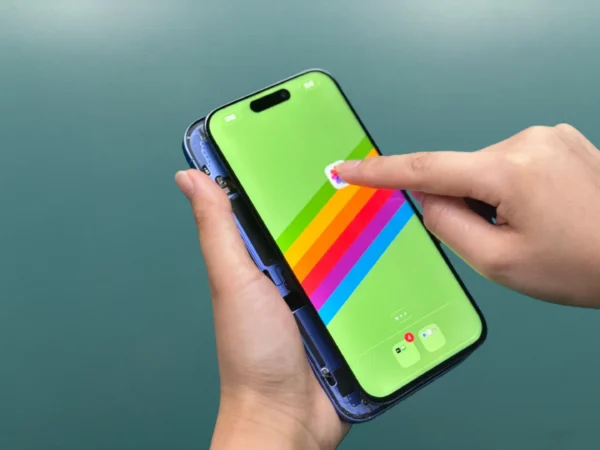
After assembly, every display is connected directly to an iPhone motherboard for live touch testing. Technicians check gestures, scrolling, and multi-point responsiveness across the full surface to ensure stable performance under actual device conditions.
Color and Brightness Uniformity Test
Color consistency and brightness uniformity are measured using a Colorimeter and Luminance Meter. Any screen showing a grayish tone, uneven color, or brightness deviation fails inspection.
Final Visual & Packaging QC
Before packaging, each LCD is reviewed under 6500K lighting for scratches, pressure marks, or backlight irregularities. Units that pass all tests are sealed and labeled with a traceable QC code for full production tracking.
3. Low RMA Rate: The Result of Strict Quality Control
A precise QC system directly translates into lower return rates.
Through comprehensive inspection and process optimization, the RMA rate of our iPhone LCD screens remains below 1%, far below the industry average.
Each production batch is traceable, and statistical process control (SPC) ensures every lot maintains consistent brightness, color accuracy, and touch stability. The result is fewer after-sale claims and greater customer satisfaction.
Conclusion: Partner with a Quality-Driven LCD Supplier
At Wellworth, every iPhone LCD screen undergoes strict inspection from incoming materials to final packaging.
Our iPhone LCD screen assembly quality control ensures stable performance, accurate color, and a remarkably low defect rate—helping your business deliver screens that perform like OEM originals.